Permanent Exhibit
Quivira — Land of the Wichita
The Legendary Kingdom of the Great Plains
The Kingdom Coronado Sought
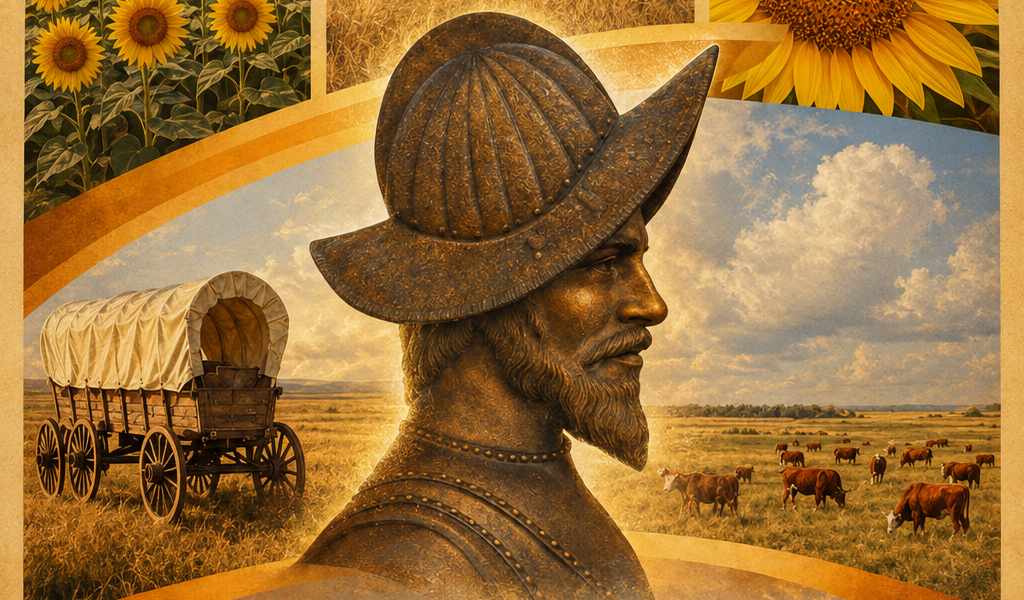
When Francisco Vázquez de Coronado reached the Pueblo villages of New Mexico in 1540, he heard tantalising stories of a wealthy kingdom far to the northeast — a place called Quivira. A captive guide known as 'The Turk' described golden cities, a great river, and a king who napped beneath a tree hung with golden bells. Coronado was captivated.
In the summer of 1541, Coronado led a small advance party across the vast Llano Estacado and into the tall-grass prairies of central Kansas. After weeks of travel, they arrived at Quivira — and found not golden cities, but the thriving grass-lodge villages of the Wichita people, situated along the Arkansas River in what is now Rice County, Kansas.
Though Coronado was bitterly disappointed, the Wichita were a sophisticated and prosperous people. Their villages were large, their fields productive, and their trade networks extensive. The legend of Quivira as a place of fabulous wealth persisted on European maps for over a century, drawing subsequent expeditions to the same Kansas plains.
The Wichita People
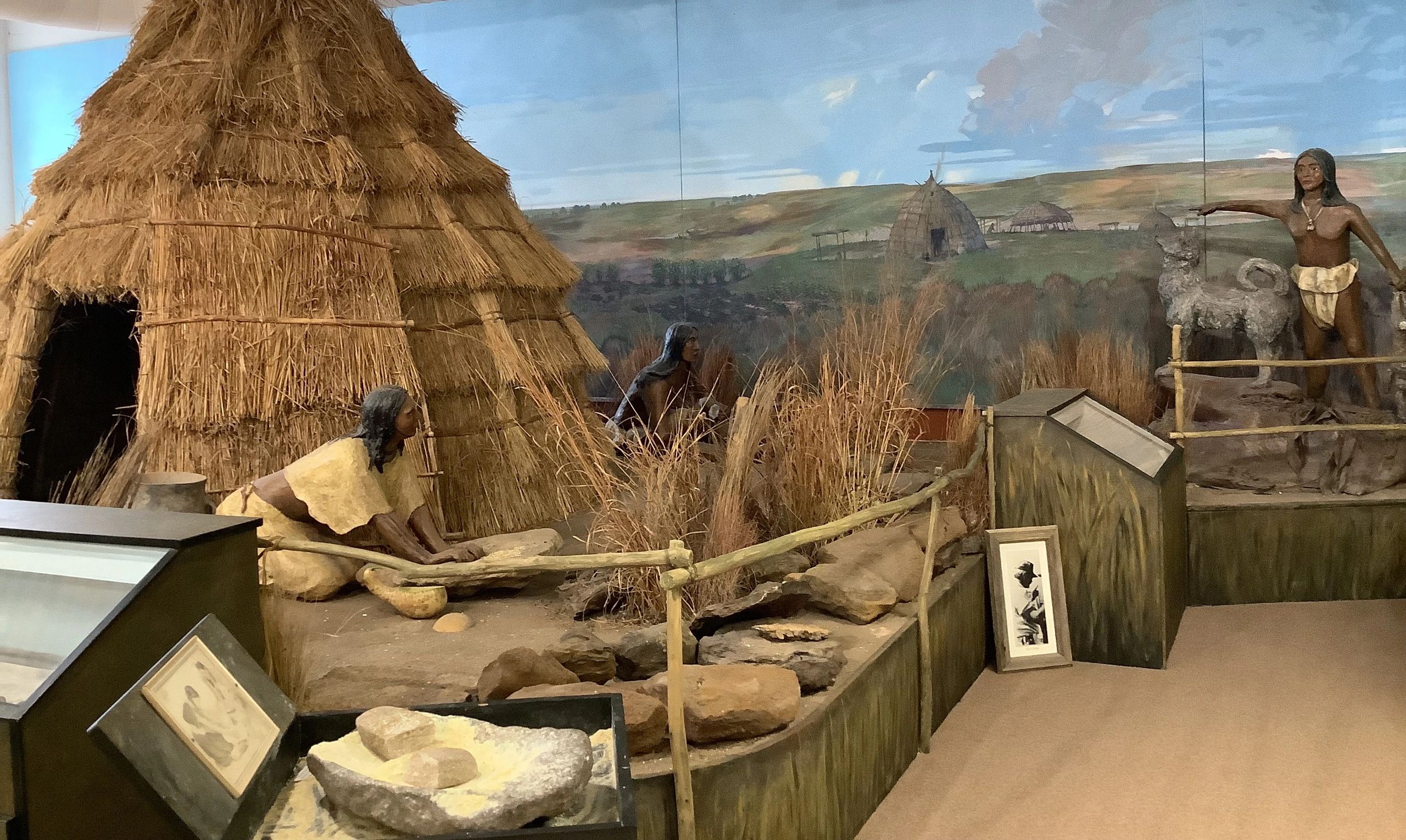
The Wichita are a confederacy of Caddoan-speaking peoples who have inhabited the southern Great Plains for thousands of years. At the time of Coronado's arrival, they lived in large semi-permanent villages of beehive-shaped grass lodges, some housing dozens of people. They cultivated corn, beans, and squash, and hunted the vast buffalo herds that roamed the plains.
The Wichita were skilled traders, exchanging agricultural goods, hides, and pottery with neighbouring peoples across a wide network stretching from the Gulf Coast to the Rocky Mountains. Their villages along the Arkansas River were centres of commerce and culture on the central plains.
After Coronado's visit, the Wichita continued to inhabit the Kansas plains for another century before pressure from other tribes and European colonisation pushed them southward into present-day Oklahoma. Today the Wichita and Affiliated Tribes are a federally recognised nation headquartered in Anadarko, Oklahoma.
The Legend Lives On
The name Quivira appeared on European maps of North America well into the 17th century, sometimes depicted as a wealthy province, sometimes as a mythical island. Spanish, French, and English explorers all sought the fabled kingdom. The legend helped drive European exploration of the interior of the continent for generations, even as the Wichita people who actually lived there went largely unrecognised in the historical record.
In the Museum
Wichita Grass Lodge Replica
A full-scale reproduction of a traditional Wichita grass lodge, showing construction techniques and interior life.
Trade Goods & Pottery
Artefacts illustrating the Wichita trade network, including pottery, stone tools, and items from distant peoples.
Historical Maps of Quivira
Reproductions of 16th and 17th-century European maps showing how cartographers depicted the legendary kingdom.
The Turk & the Journey
Interpretive panels exploring the story of the captive guide who led Coronado to Quivira — and his fate.